
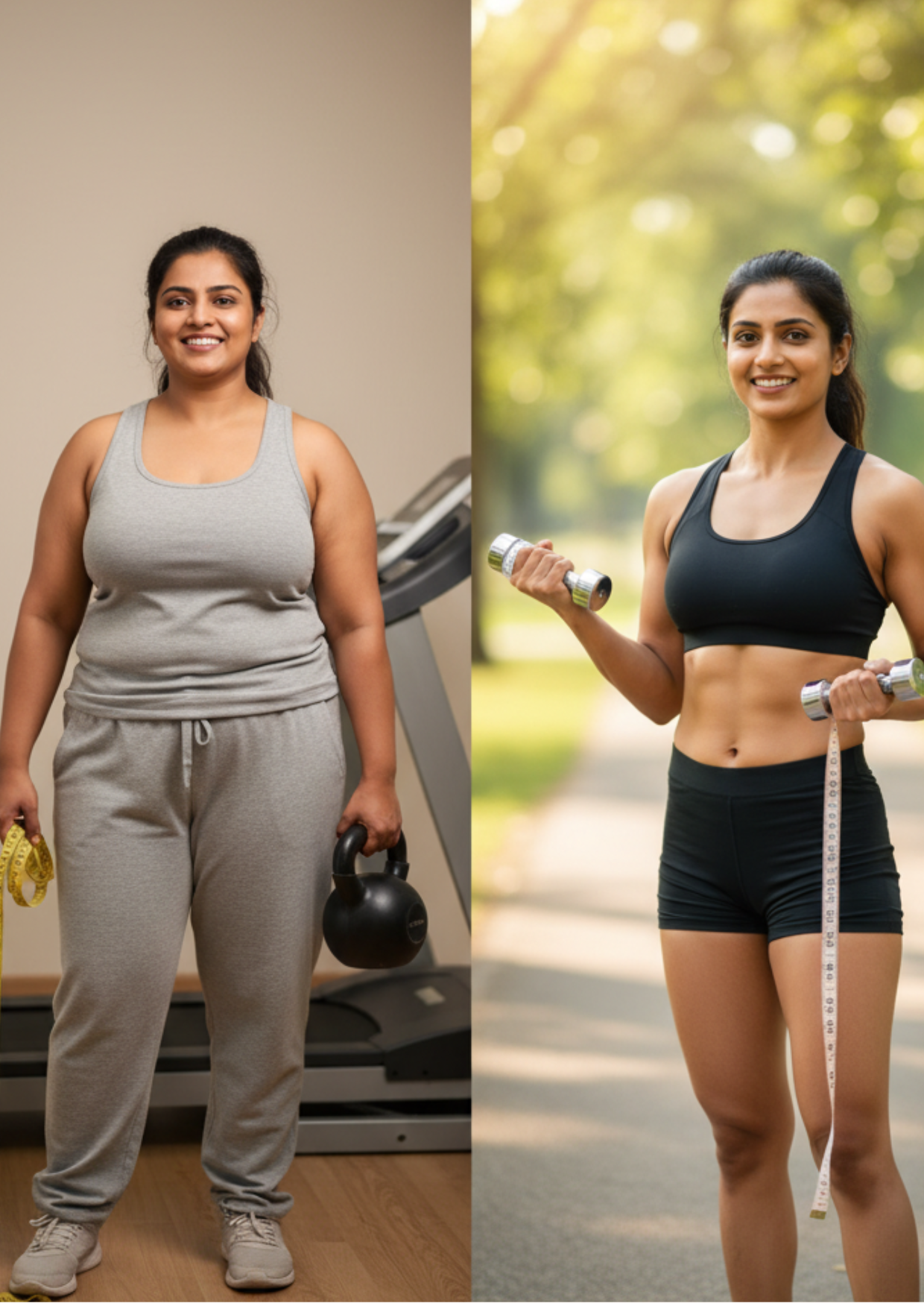
The Omnipresent Burden of Weight – Loss
It seems it was just yesterday that we in our 20s enjoyed life without much thought of calories and weight. But now, the sands of time have slipped through our hands before we even realized. In our late 30s and early 40s now, each day has an omnipresent burden of battling the lingering effects of poor nutrition habits, sedentary lifestyles and early weight challenges that started decades ago.
The weight slowly crept up despite cutting carbs and sugar, avoiding fried food on and off, going to the gym, and whatnot. Crash diets seemed to work for a while but weight gain reared its ugly head as soon as we started eating normally. Is this the way it is supposed to be or we have not understood the mechanics of body weight?
The reason is sluggish metabolism, inflammation, hormonal imbalance, loss of muscle mass, stress, and a clogged detox system that stops effective and sustainable weight loss. It is not us but the changes in our bodies as we age.
Aetilogy of weight loss
To understand weight loss better, let’s first understand body weight. It is usually divided into two forms. Fat weight (FW) and lean body weight (LBW). Lean body weight is the weight of your bones, muscles, internal organs, ligaments, tendons, nails, hair, etc. In other words, your body weight sans the body fat.
With age, we start gaining fat and losing lean body weight. It is a natural process. So the correct way to lose weight is to adopt a method that is sustainable and can be incorporated into your lifestyle naturally. It should concentrate on reducing your FW and increasing your LBW.
What to check
Stop checking your weight on a weighing scale. It gives you a wrong notion of health. This number does not take into consideration gender, race, ethnicity, or body composition.
Instead :
- Measure your waist and hip: Measure the narrowest part of your waist and the broadest part of your hip. Your waist to hip ratio should be between 0.7-0.85 if you are a woman and 0.85-0.95 for men. Anything beyond that needs rectifying.
- Sit and reach: Sit on the edge of the chair and stretch your legs. Bend towards your legs while keeping your head straight and try touching your toes. Do this till you are stretched to the maximum. Now check where you have reached. Your toes, your ankles or your shin. If you can touch your toes and beyond, you are on the right path.
- Measure your resting heart rate (RHR): For adults it is 60-100 beats per minute. The RHR of a woman is usually about 10 beats more per minute than that of a man in the same age range. Normally, lower the RHR, fitter you are. It means the heart of someone who is really fit does not need to beat as many times to have the same output of blood as an unfit person.
- The other measures are your metabolic parameters such as blood glucose levels, cholesterol levels, triglycerides, blood pressure, electrocardiogram, etc
How to lose weight (go back to your roots)
- Your biological clock is light sensitive. Wake up with the sunrise. Let the sunlight touch your body. The blue green light of the sun stimulates certain hormones that prepare you for the long day ahead.
- Have a glass of warm water after you wake up. It will rehydrate your body and stimulate your digestive system. Half a glass of warm water with a pinch of turmeric and honey is the biggest detox you can get.
- Have a proper morning ritual. Go for your walk, jog, exercise or yoga. A regular exercise program supports calorie burn as well as builds lean muscle mass.
- Eat only when you are hungry.
- A handful of nuts and a seasonal fruit in the morning at the beginning of the day will not only increase your metabolic rate (you burn more calories), but will give you all the right nutrients you need.
- Cut off snacking. Start with three balanced meals a day. Let go of the biscuits, samosas, chakna, etc everytime you have your tea or coffee.
- Slowly reduce your meal to two. Fast for a certain duration everyday. It cleanses your body, helps reduce inflammation, helps heal your gut, increases your antioxidant reserve, burns your body fat and triggers autophagy. The latter means your body eats up old, degenerated cells and tissues. Practice intermittent fasting.
- Incorporate traditional superfoods such as ghee, turmeric, amla, banana, fig, curd, coconut, beetroot, fenugreek, kokum, amaranth, etc
- Replace wheat and rice with Indian millets. They are the powerhouse of nutrition and it is time we recognize the values of the forgotten grain. Ragi, jowar, bajra, kodo millet, foxtail millet should be taken as per season. They are rich in antioxidants and micronutrients and a great source of plant-based protein.
- Seasonal, home made chutneys are not only a delicious accompaniment to your meal but their health benefits are inconceivable. They boost your digestive system, reduce heartburn, burping, belching, and constipation, stimulate a healthier cardiovascular system.
- Eat food that is local, and seasonal.
- Cut off sugar completely from your diet.
- Stop smoking and drinking. Alcohol and nicotine blocks your fat burning and can pause all the beneficial effects of a healthy lifestyle.
- Keep a healthy gut by having fermented products such as yogurt, buttermilk, etc.
- Gear up your protein intake as it not only satiates you but also is a great aid for weight loss. Protein helps preserve muscle mass while your body is burning fat.
- Cut out all forms of processed and ultra processed food. They are refined foods with high quantities of sugar, saturated fat, preservatives and harmful additives, and are more addictive than alcohol or nicotine. The speed at which the sugar touches your tongue and connects to the reward circuitry of your brain is about 600 milliseconds. This is 20 times faster than if you were to smoke a cigarette and have nicotine enter the brain.
- Keep away from stress as much as possible. Stress hormones can slow down your fat burning and interfere with your ability to self regulate.
It is time to take the right path towards health because you not only owe this to yourself but to your loved ones as well.