
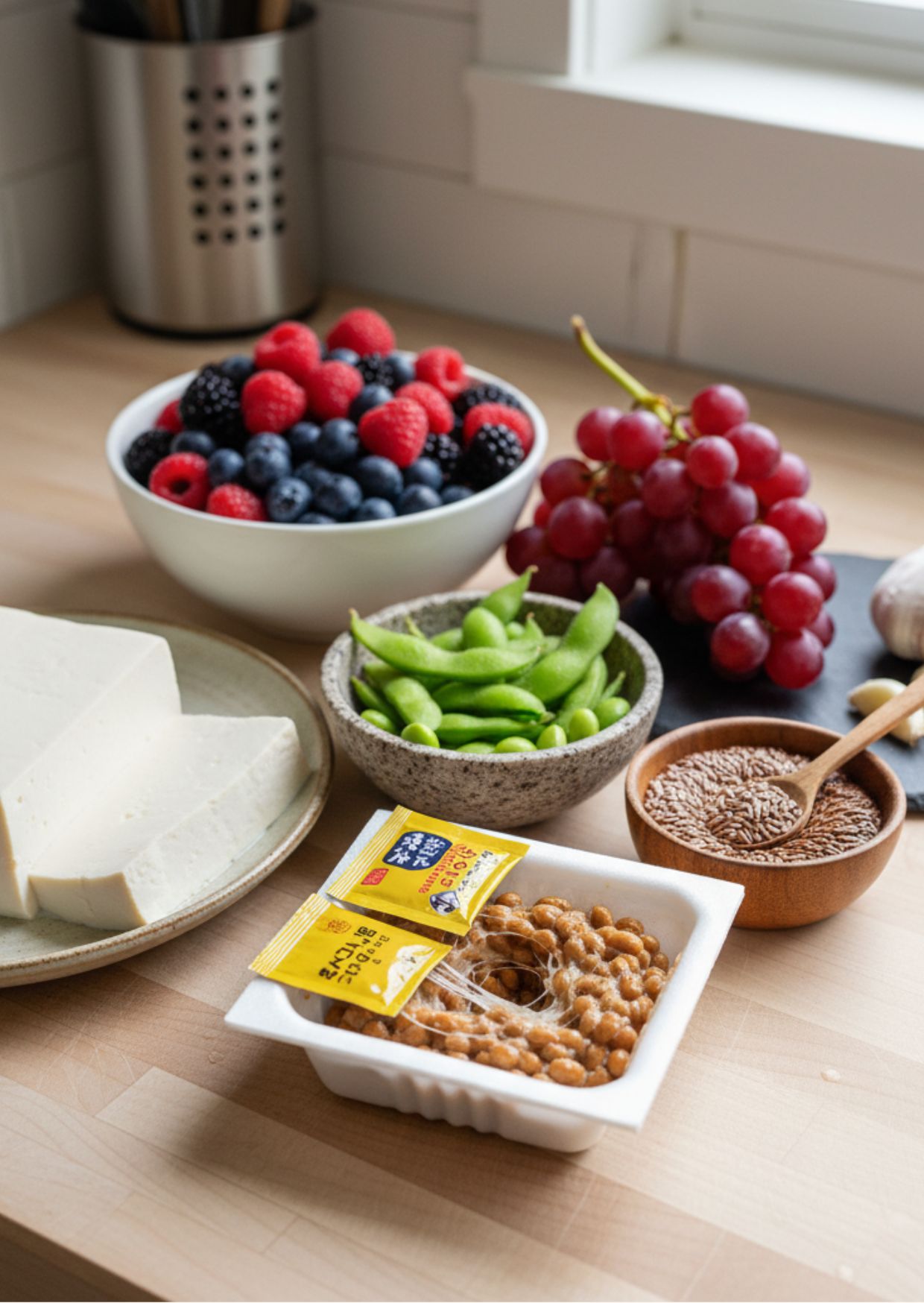
10 Low-Fat Estrogen-Rich Foods For A Menopausal Diet
Menopause is the permanent cessation of a woman’s menstrual cycle for 12 months. This is when she loses all the ovarian follicular activity. In other words, she is not reproductive anymore. It is a natural process and is the result of declining sex hormones such as estrogen and progesterone that occurs with age.
Menopause typically occurs between the age of 40-50.
During menopause, your metabolism slows down and you tend to gain weight very fast.
Estrogen is the key to women’s sexual and reproductive health. It supports sexual and reproductive development and bone health. It improves mood and lowers cancer risk. During menopause, this hormone takes a massive dip and some particular food can be your solution. Foods that increase estrogen levels in females are estrogen-rich foods. They do not exactly contain estrogen but phytoestrogens. It is a form of dietary estrogen that mimics the actual hormone in terms of its function. Therefore, a low-fat diet, plant-based, estrogen-rich food can eliminate menopausal symptoms, according to a new study.
In this article, we have brought you 10 foods that are low in fat and high in phytoestrogen. They can be your ticket to a smoother transition.
1. Natto
If there is one food that tops the list of low-fat, estrogen-rich foods, it is natto. It is a fermented soy product that also goes by the name “stinky beans”. Natto is a nutrient powerhouse and contains phytoestrogens (isoflavones). This helps prevent postmenopausal bone loss. In addition, it helps reduce post-menopausal symptoms, boosts the immune system, and is a strong antioxidant that prevents complications related to oxidative stress.
Fermented soy is far easier to digest and the plant estrogen in them is readily available to our bodies. Considered one of the key foods for Japanese longevity, natto is rich in many functional components such as nattokinase, soybean isoflavones, γ-polyglutamic acid, vitamin K2, etc.
The high vitamin K2 in natto makes sure that calcium doesn’t build up in the soft tissues like the coronary arteries and joints. It takes the calcium and ushers it into the bones, making them stronger. This is highly beneficial for menopausal women as bone loss is a big problem at this stage (x).
2. Flaxseed
Ground flaxseed is very good for menopause. In a 2002 study published in Obstetrics and Gynaecology, it was found that supplementing with 40 grams of ground flaxseed was as effective as hormone replacement therapy (HRT). It helps raise estrogen levels and improves mild symptoms.
Flaxseed contains lignin and is effective in reducing the frequency of hot flashes. It also helped with vaginal dryness improving the overall quality of life.
3. Tofu
This is another soy-rich food that is high in isoflavones and mimics estrogen. Phytoestrogens and their metabolites, equol, binds to the estrogen receptors and induce biological effects that resemble estrogen. Soy and soy products can reduce hot flashes considerably.
One study showed that consuming tofu which has 50-100 mg of isoflavones daily for 3 months in perimenopausal women resulted in reduced menopausal symptoms.
4. Edamame
As a soy product, edamame also contains phytoestrogens. In addition, edamame contains a good amount of vitamin B, C, K, and folate. Folic acid helps reduce the severity, duration, and frequency of hot flashes during menopause. It also helps facilitate bone mineralization. This is very important because decreased bone density is a big concern during menopause.
Edamame also contains manganese, magnesium, iron, and zinc. Manganese is also known as ‘bone mineral’ and helps in keeping strong bones. It reduces anxiety, promotes calmness, stabilizes blood pressure, and boosts restful sleep. These are crucial during menopause which is characterized by mood disorder, depression, and insomnia.
Magnesium along with vitamin K helps keep bones strong and prevent osteoporosis. Zinc reduces inflammation and helps deal with menopausal mood swings.
5. Cruciferous vegetables
Cruciferous vegetables are another low fat, high in antioxidants that are considered natural detoxifiers. Broccoli, kale, and Brussel sprouts contain phytoestrogens which we have read about earlier. In addition, they have anti-inflammatory and anti-cancer properties, both very important for a menopausal woman. Not only are they nutrient powerhouse, but they are also high in fiber that can keep you full longer. They are a great tool for maintaining body weight in menopause.
6. Sesame seeds
In menopause, estrogen levels drop quite a lot. Sesame seeds can help counteract these symptoms as they are high in phytoestrogens which function very similar to estrogen, the female sex hormone.
This seed is good for managing your blood sugar levels, and blood pressure, and can help with arthritic pains, thyroid function, skin, and hair. Nutty and flavorful, these seeds can be your solution to a variety of menopausal problems.
7. Red grapes
The polyphenols (flavonoids) found in grapes have been shown to reduce menopause symptoms. Often, women post menopause develop insulin resistance, high blood pressure, and memory fog. One such example is resveratrol, the pigment that gives the red color to the grapes. It slows down the rate at which estrogen is removed from your body.
8. Garlic
Garlic is rich in phytoestrogens and helps balance your hormones during menopause. This can help prevent hot flashes. Menopause is also associated with an increase in oxidative stress and garlic with its strong anti-oxidant property can help reduce it. Garlic scavenges the free radicals.
9. Berries
Menopause increases the risk of cardiovascular diseases, cancer, and metabolic disorders. Foods such as berries contain flavonoids that help keep these problems at bay. The anti-inflammatory and anti-oxidant property is associated with a decrease in blood pressure, reduction of fat mass, and improvement in cholesterol levels.
10. Nuts
Nuts have high amounts of phytoestrogens, especially pistachios, peanuts, and walnuts. They are full of protein, good fats, and fat-soluble vitamins. Nuts are also a rich source of calcium, magnesium, potassium, and zinc making them a kind of superfood that can help ease menopausal symptoms.
As you already know, osteoporosis is one big complication of menopause. Nuts improve bone mineral density.
The zinc and magnesium in nuts can help keep the depressive symptoms at bay.
Take Away
Food plays a very important role in managing menstrual symptoms. A nutrient-rich menopause diet meal plan with oxygen and iron-rich foods for circulation can be your answer. Foods like soy, flaxseeds, lentils and cruciferous veggies provide plant-based phytoestrogens without adding excess fat, making them ideal for balancing hormones naturally.Consistent and mindful choices can reduce menopausal symptoms, boost energy and promote long term well being.